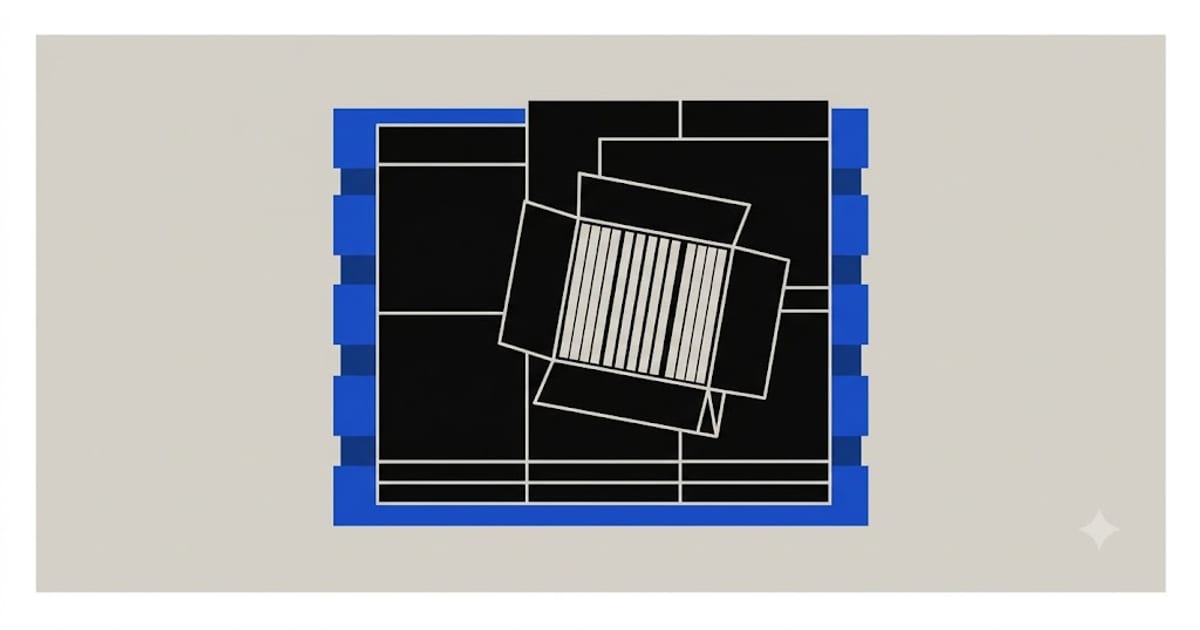
A 12 × 12 inch tile is one square foot, so 100 square feet takes 100 tiles.
That is correct and it is not the number to buy. Two things sit between the arithmetic and the trolley.
Nominal is not actual
A tile sold as 12 × 12 usually measures slightly under — often around 11⅞ inches. The missing eighth is the grout joint, so that tile plus its joint occupies a 12-inch module.
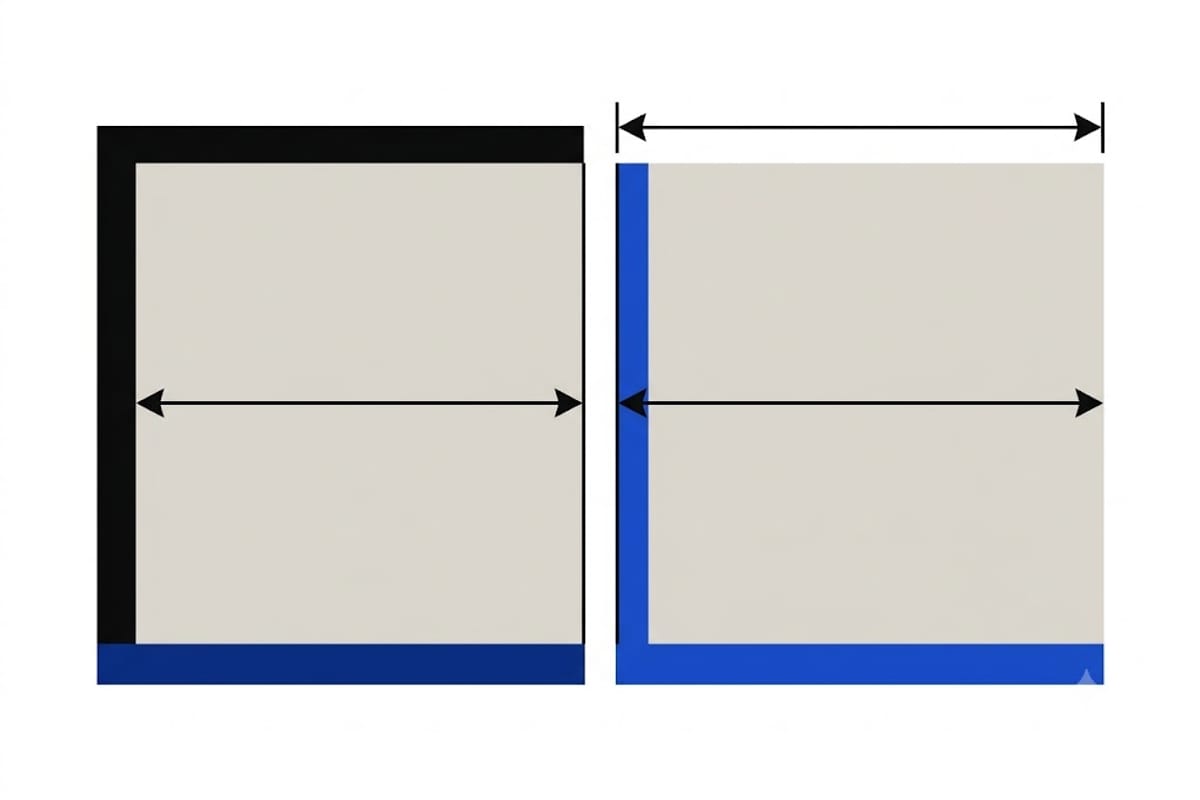
This is why the round number works out: you are laying a 12-inch grid regardless. It also means widening the grout joints does not save tiles by any amount worth counting, and narrowing them does not cost extra.
Where it does matter is layout. A 10 ft wall divides into exactly ten modules, so a room laid out from a wall lands on a full tile at the far end — until the room turns out not to be exactly 10 ft, which it never is. That problem is where to start the layout.
Counts for common sizes
Per 100 square feet, before waste:
| Tile | Tiles per 100 ft² |
|---|---|
| 12 × 12 in | 100 |
| 12 × 24 in | 50 |
| 6 × 24 in plank | 100 |
| 18 × 18 in | 45 |
| 24 × 24 in | 25 |
| 4 × 4 in | 900 |
| 3 × 6 in subway | 800 |
Small tiles are where miscounting hurts most: being 5% short on 4 × 4 tile is 45 tiles.
The waste factor
Every cut tile produces an offcut, and most offcuts are unusable. Buy extra:
- 10% — straight lay in a simple rectangular room.
- 15% — diagonal, brick-offset, or a room with several corners and obstacles.
- 20%+ — herringbone, chevron, small rooms with lots of cuts, or any tile you are cutting around a lot of fixtures.
So 100 square feet of straight-laid 12 × 12 means 110 tiles, and a herringbone pattern in a bathroom means 120 or more.
The waste is not carelessness. In a room 10 ft 4 in wide, the last row is a 4-inch strip cut from full tiles, and the remaining 8 inches of each is scrap unless the far side happens to need exactly that.
Buy the whole lot at once
Tile is manufactured in batches, and shade varies between batches. The lot or batch number is printed on the box.
Going back a week later for two more boxes frequently produces tile that is subtly a different tone — invisible in the shop, obvious across a finished floor in daylight. Buy the full quantity, including waste, in one purchase and check that the boxes share a lot number.
Keep the spares
Do not return the leftovers. Keep a box.
Tile lines are discontinued constantly, and a cracked tile in three years is either an invisible repair from your spares or a visible one from whatever is closest. A box in the garage is the cheapest insurance in the whole job.
FAQ
How many 12x12 tiles do I need for 100 square feet?
One hundred, plus waste. Buy 110 for a straight lay, more for diagonal or patterned layouts.
Does grout joint width change how many tiles I need?
Not meaningfully. A 12 × 12 tile actually measures about 11⅞ inches, so tile plus joint occupies a 12-inch module either way.
How much extra tile should I buy?
10% for a simple straight lay, 15% for diagonal or offset patterns, 20% or more for herringbone and rooms with many cuts.
Why does tile shade vary between boxes?
Tile is made in batches and shade varies between them. Buy everything at once and check the lot number is the same on every box.
Should I keep leftover tile?
Yes. Tile lines are discontinued often, and a spare box makes a future repair invisible.