Sealing & Waterproofing
Tile is not waterproof. Neither is grout, and neither is thinset — water passes through all three by capillary action and vapor drive. The waterproofing is a separate layer, and its job is to catch that water and route it to the drain.
Three approaches
Sheet membranes bonded with thinset — waterproof immediately, inspectable, most forgiving. They fail at seams and corners.
Liquid-applied membranes — no seams, good on complex geometry, and the failure mode is thickness. Use a wet-film gauge, not judgement; most people apply fewer coats than the specification requires.
Traditional liner under a sloped mortar bed — long-established and it works, provided the pre-slope is there.
The pre-slope
In a liner system, water reaches the liner, not the tile surface. A flat liner holds standing water permanently under the mortar bed. So the substrate must already slope to the drain before the liner goes down, and the mortar bed above slopes again.
Skipping it is the most common shower failure in older construction. It does not leak in the usual sense — the first symptom is a smell.
1/4 inch per foot to the drain, measured from the furthest corner. Curbs slope inward, niches outward, benches forward.
Flood test before tiling
Plug the drain, fill to the top of the curb, mark the line, wait 24 hours. If the level drops, the repair is an afternoon. After tiling, the same repair is demolition.
This is the highest-value day in the whole job.
Substrates
Cement or foam backer board for anything that gets directly wet — with a membrane over the cement board, which is water-tolerant but not waterproof. Greenboard is not permitted in showers by current code, which is why so many older showers fail. Standard drywall is fine behind a dry-area backsplash and nowhere near water.
Floors have their own requirement: deflection no worse than L/360 for ceramic and porcelain, L/720 for natural stone. Backer board adds almost no stiffness — a second layer of plywood does far more.
Sealing stone
A sealer slows staining. It does not prevent etching — acid dissolving the calcium carbonate in marble, limestone and travertine leaves a dull mark that no sealer on the market prevents. The surface is gone, not covered.
Test with a tablespoon of water for ten minutes: if the stone darkens, reseal.
5 articles
 Waterproofing a Shower — Tile and Grout Are Not the Waterproofing
The most expensive failure in a bathroom is a shower that looks perfect and has been leaking into the framing since the week it was built.
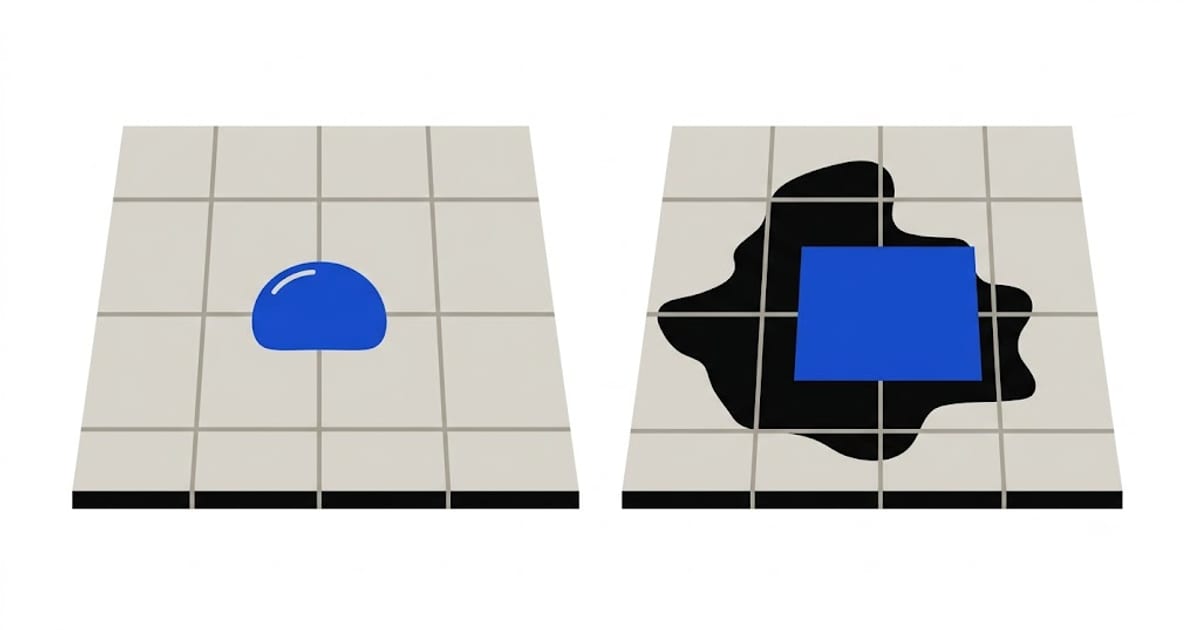 Sealing Stone Tile: What Sealer Does, and What It Cannot Do
A sealer slows staining. It does not stop etching, and the difference between those two words is why so many marble countertops disappoint.
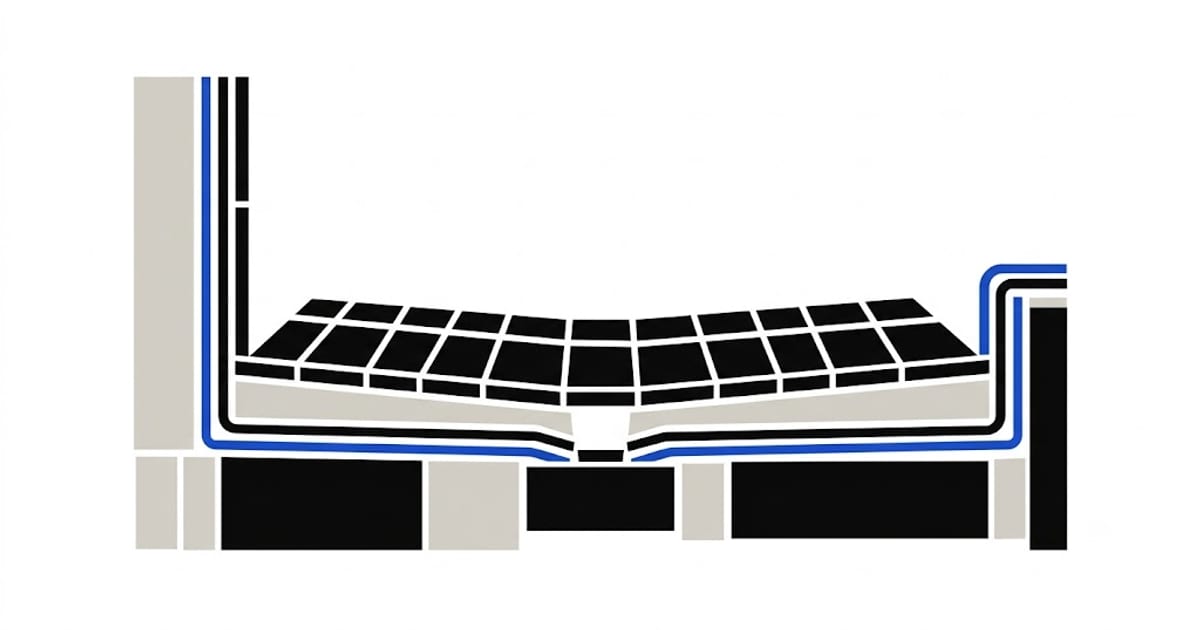 Shower Waterproofing: Tile Is Not Waterproof, and Neither Is Grout
Every tiled shower leaks. The question is only whether there is a membrane behind the tile to catch it, and where that water is directed.
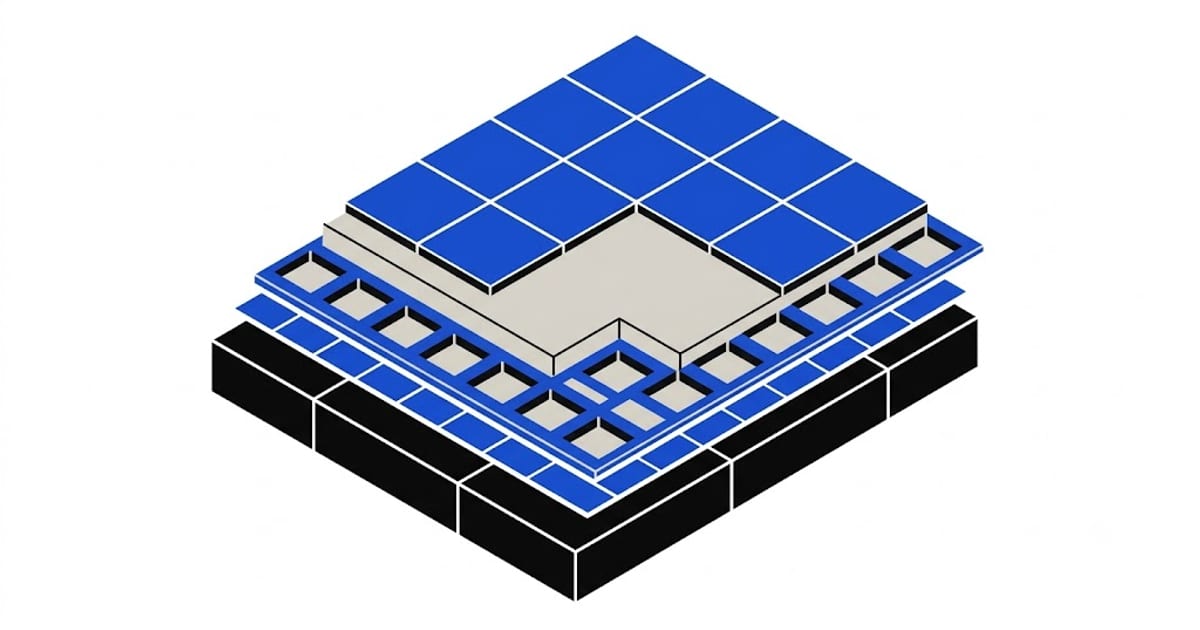 Underlayment for Tile: Uncoupling, Backer Board and Which Problem Each Solves
Four products sit under tile and they solve four different problems. Choosing by price rather than by problem is why so many tiled floors crack.
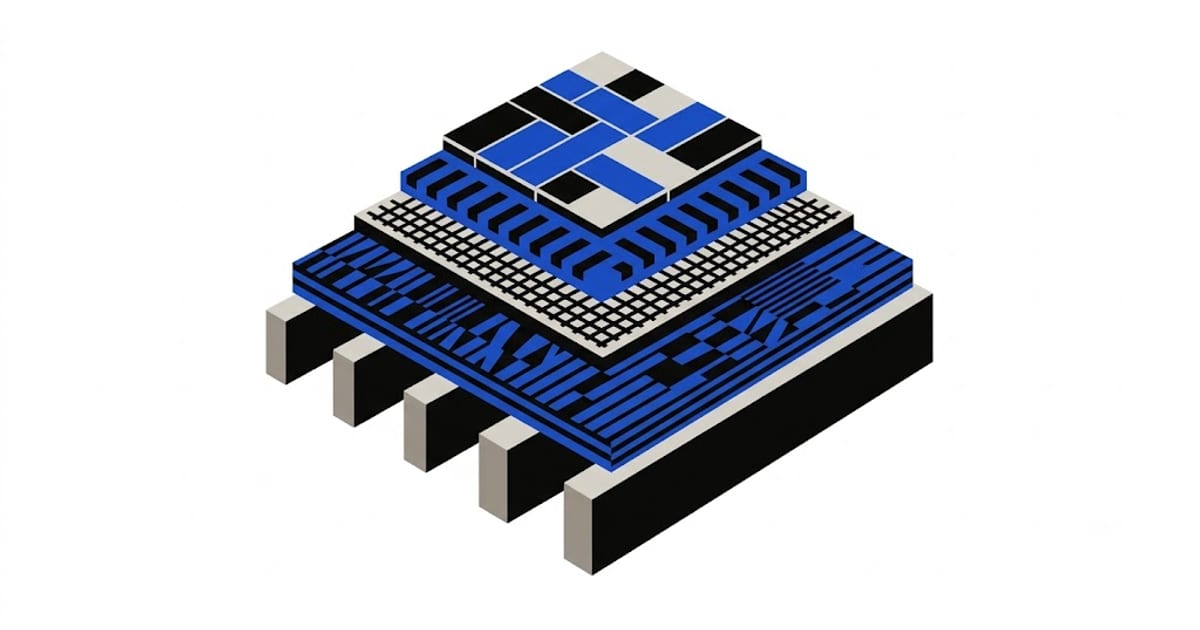 What Goes Behind Tile: Backer Board, Drywall and the Wet-Area Line
The substrate decides whether a tile job survives. Most tile failures are substrate failures, and by the time they show, the tile is the cheapest part of the repair.